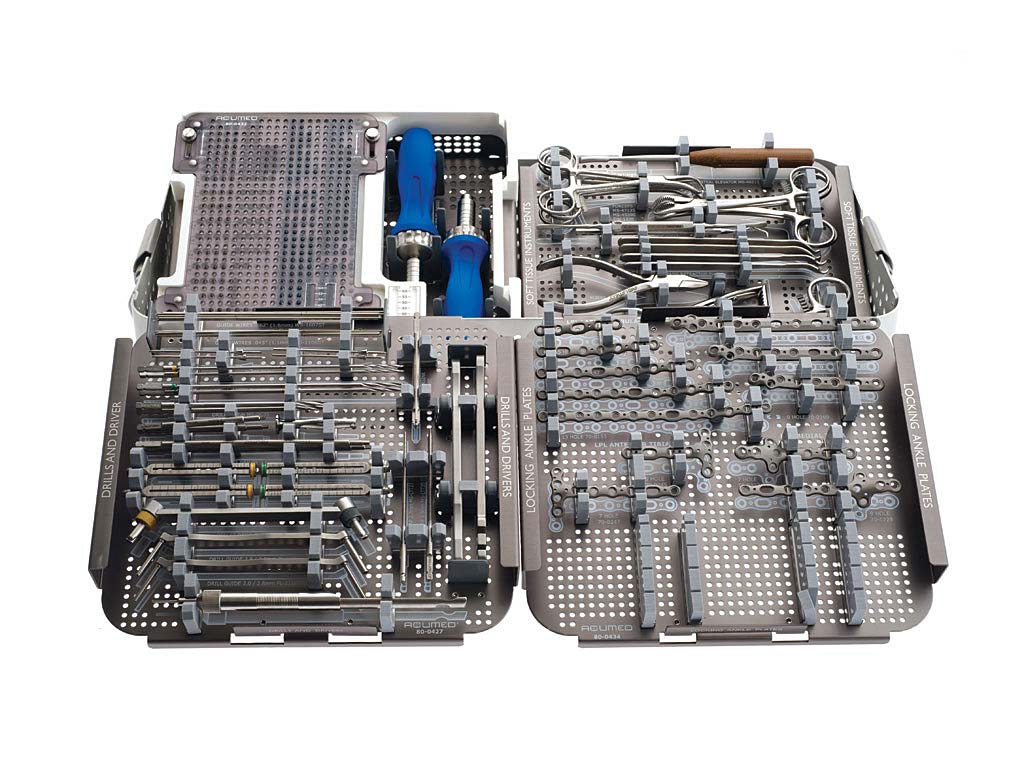
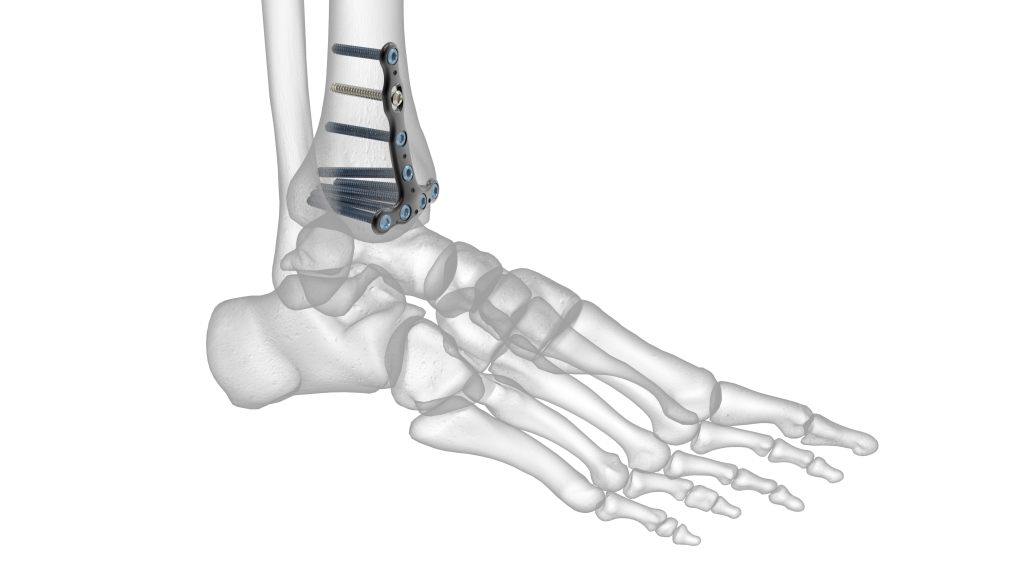
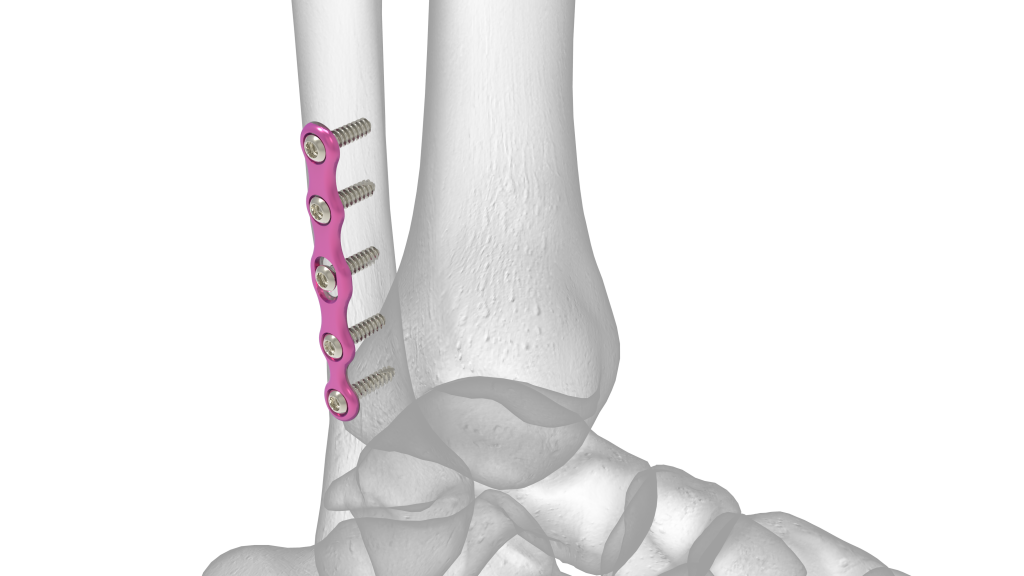
Locking Ankle Plating System
Documents
Locking Ankle Plating System Procedures
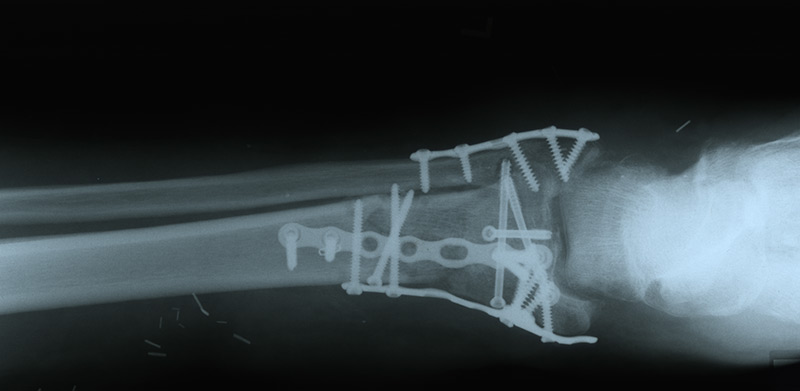
The Locking Ankle Plating System can be used in the following procedures:
Ankle Fracture (Ankle)Plate Features
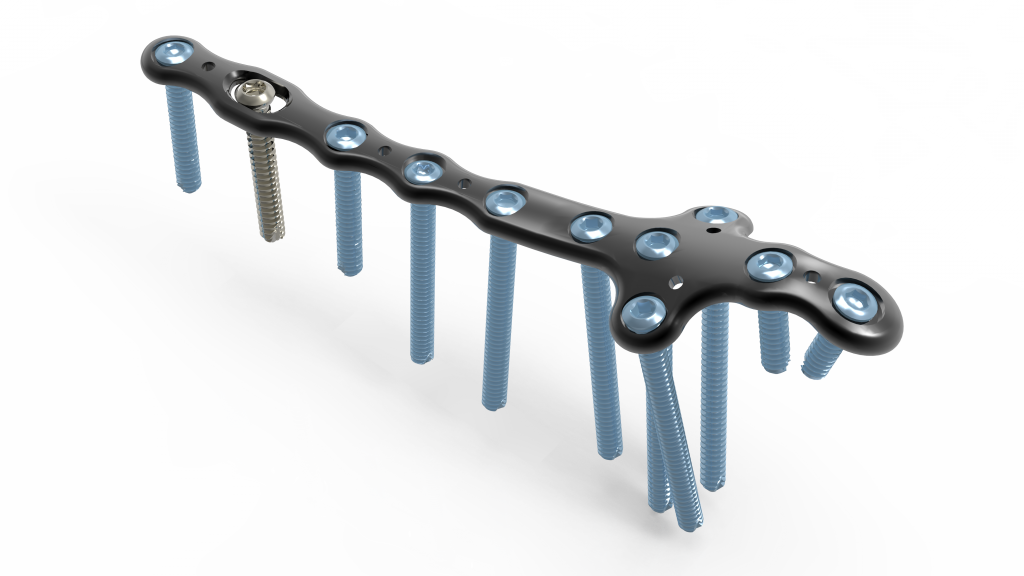
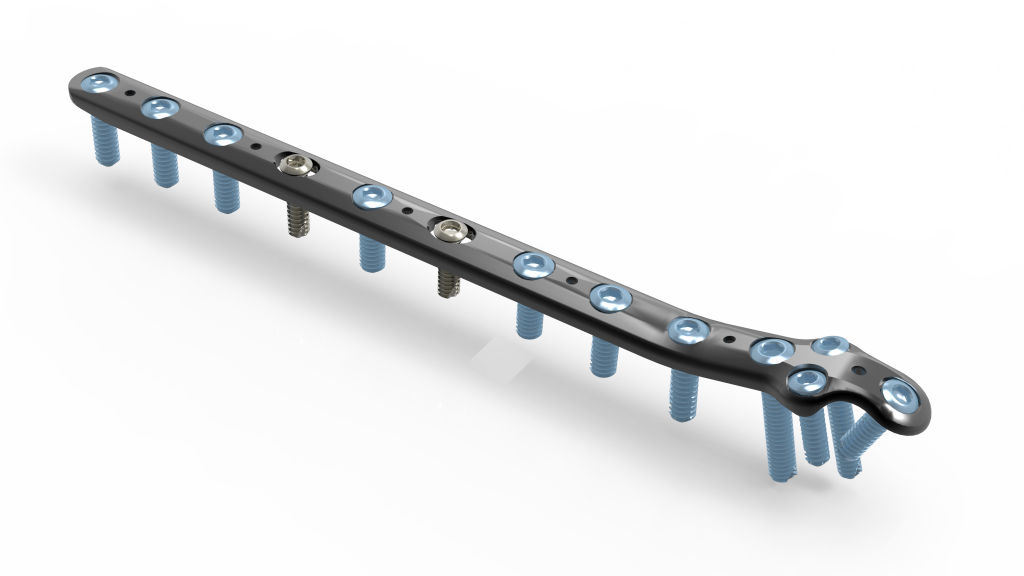
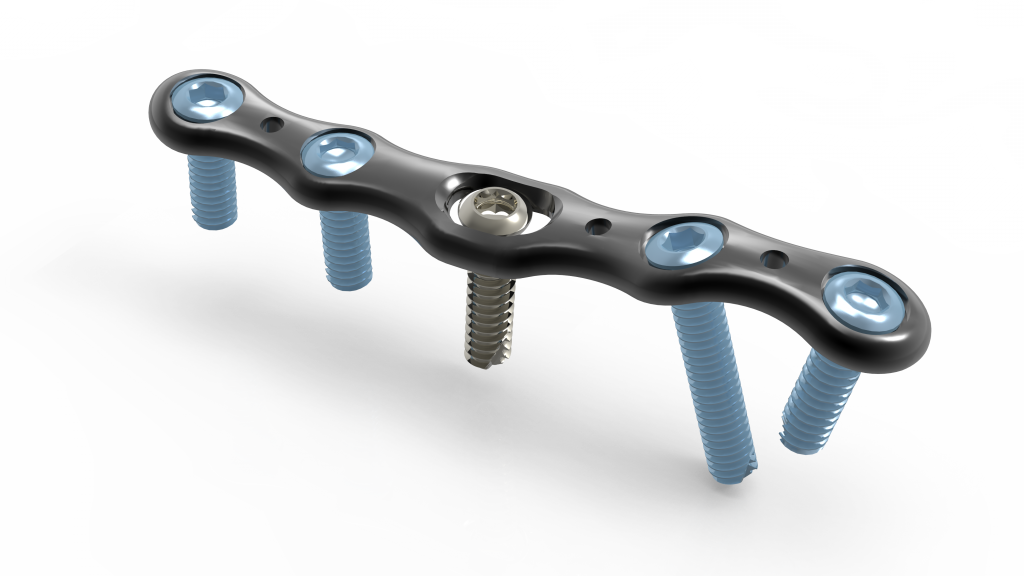
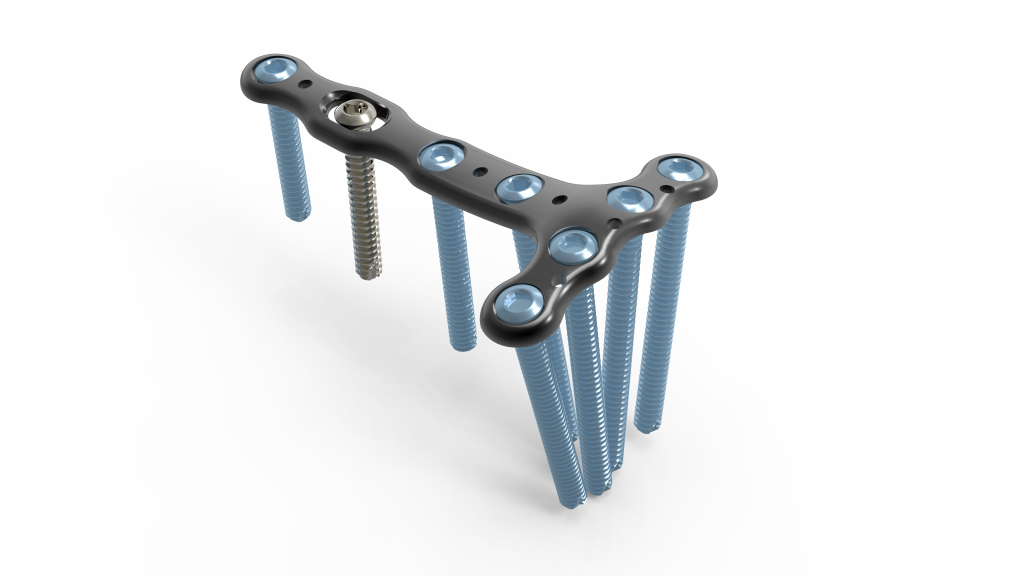
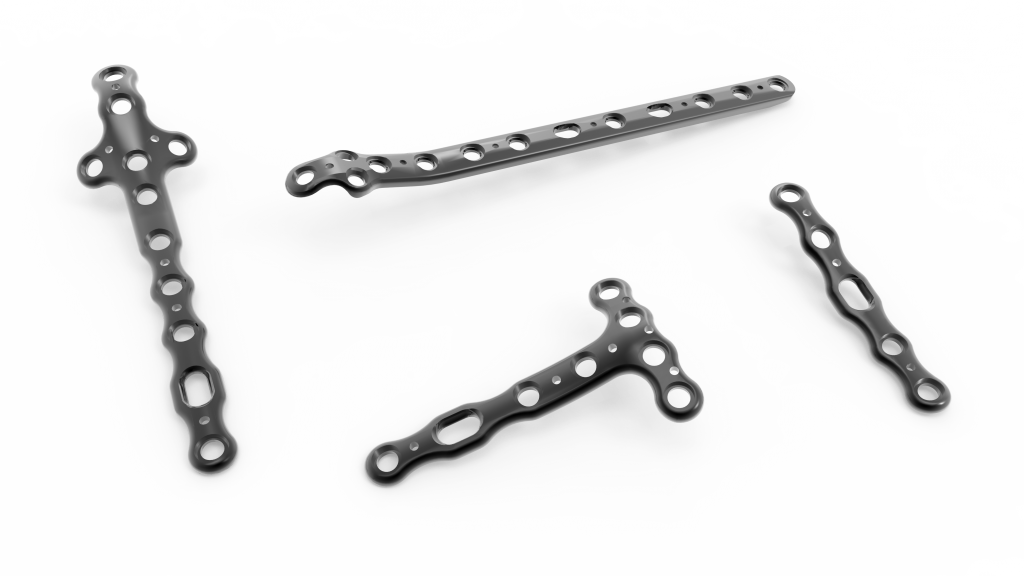
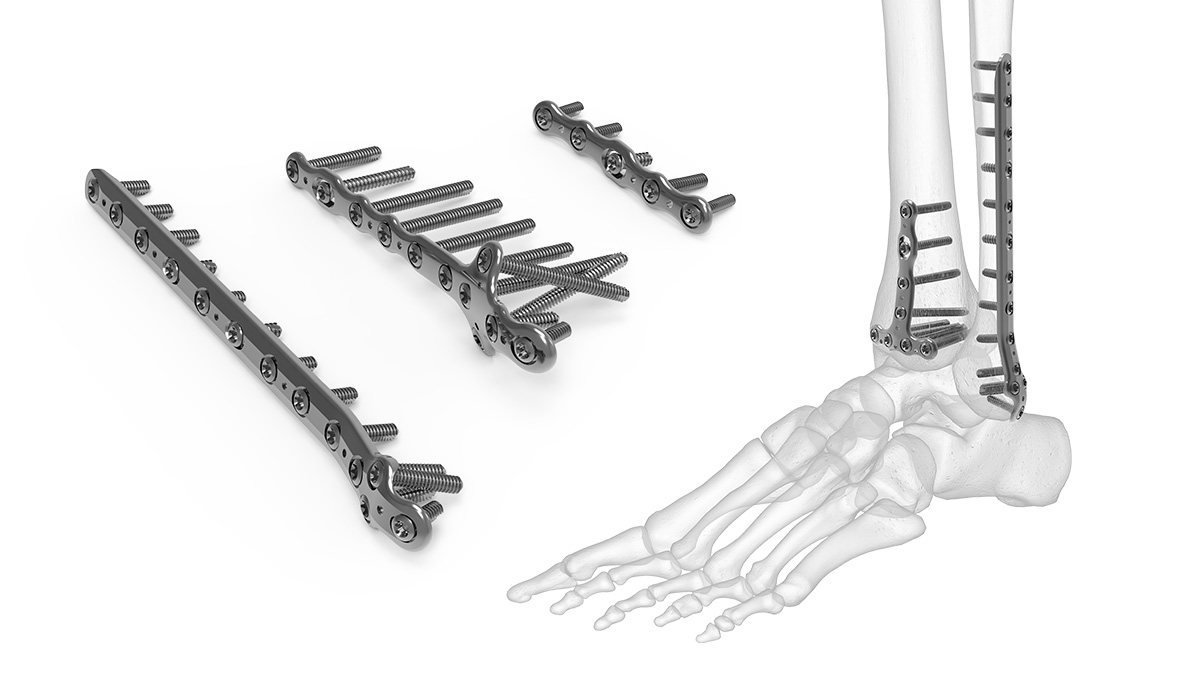
The Locking Ankle Plating System offers low-profile plates in a variety of sizes designed for the following fixation uses:
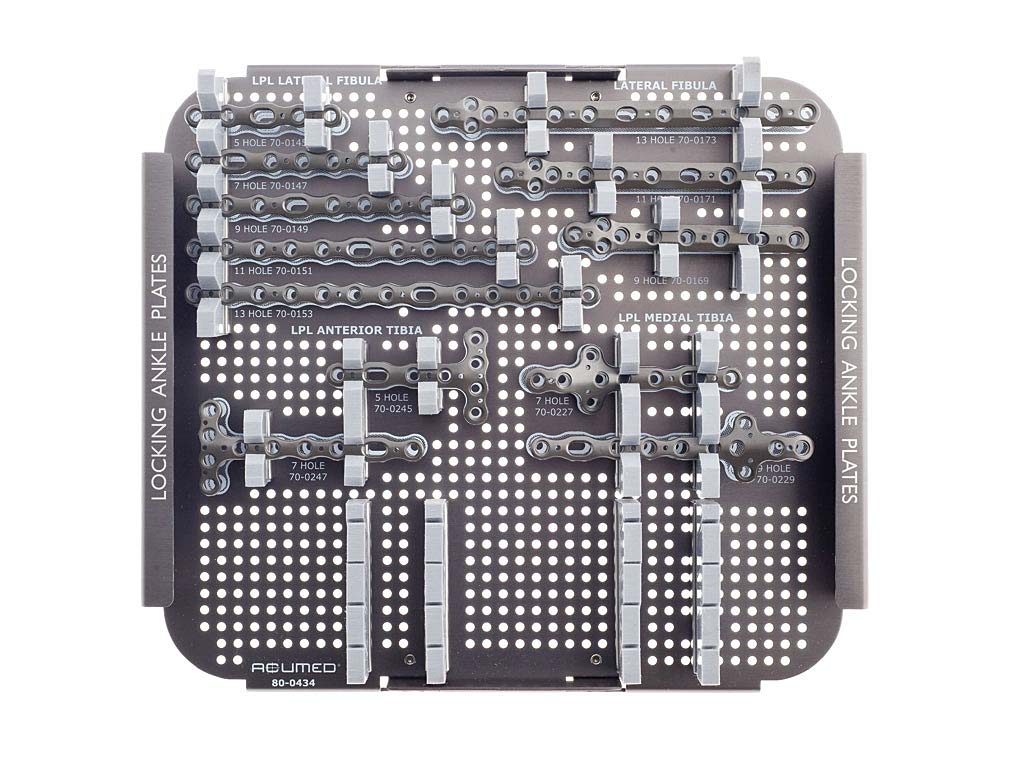
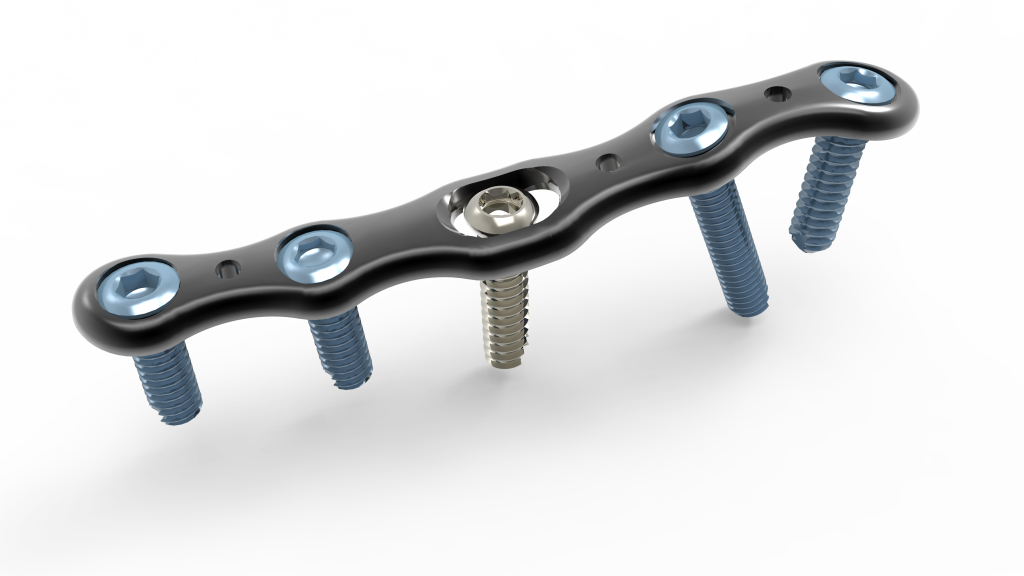
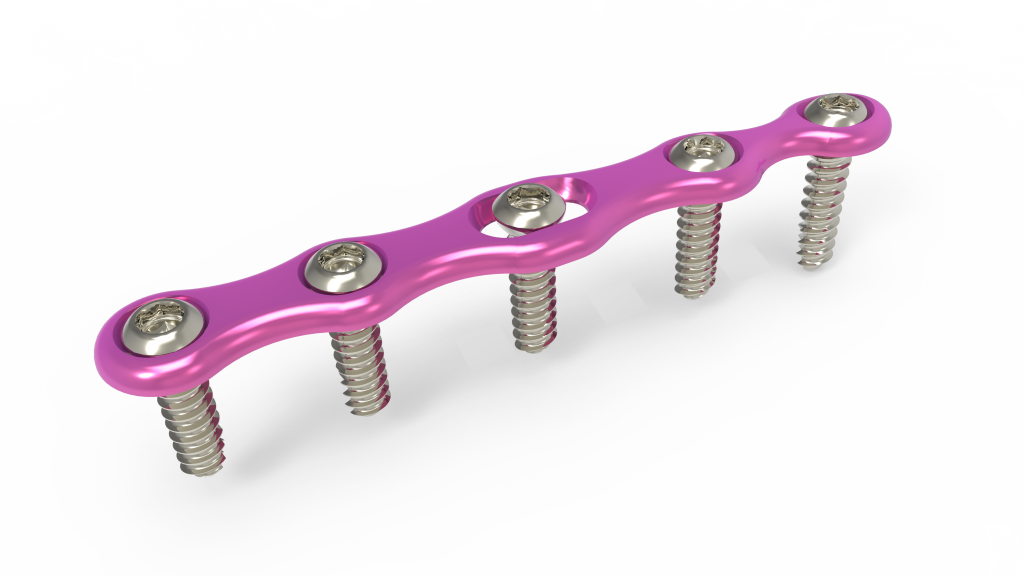
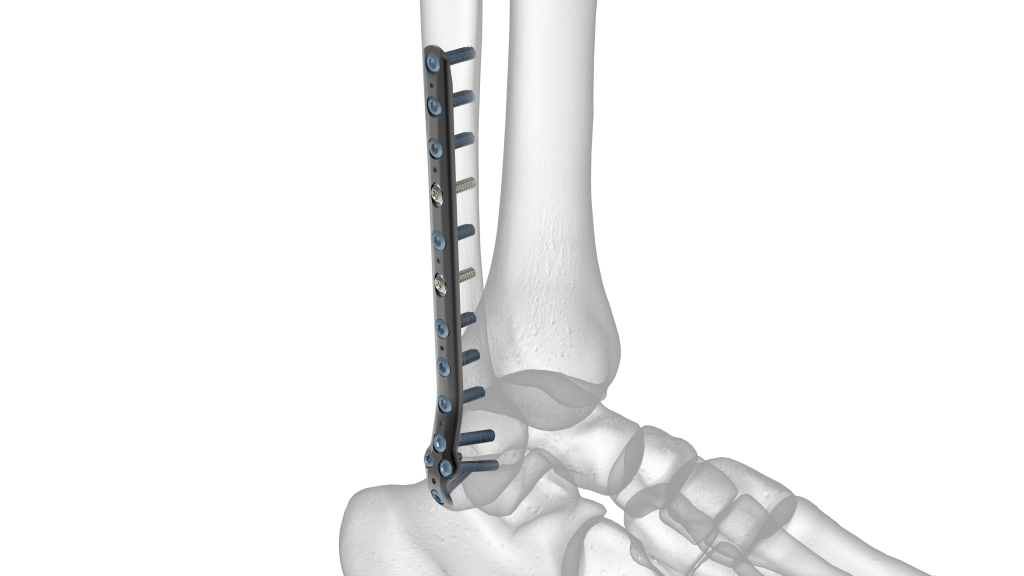
- Low-profile Locking (LPL) Lateral Fibula Plate: Internal fixation for non-comminuted distal fibular fractures, osteotomies, and nonunions
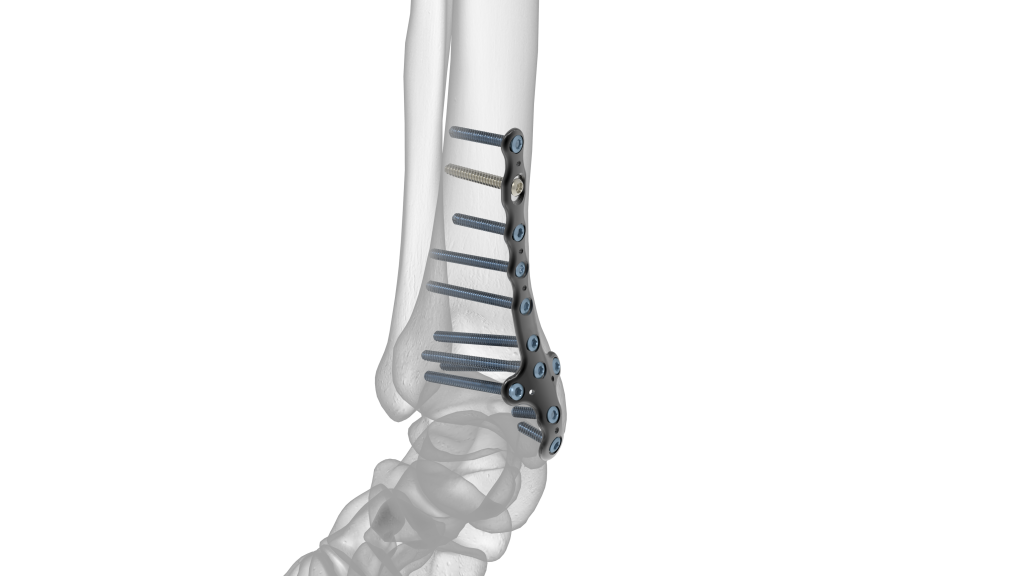
- Lateral Fibula Plates: Internal fixation for distal fibular fractures, osteotomies, and nonunions
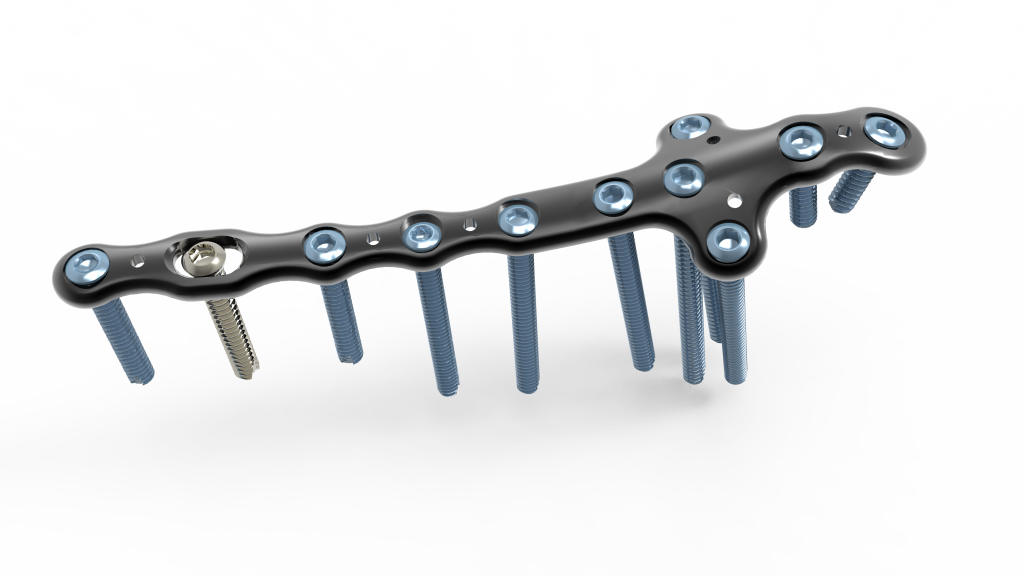
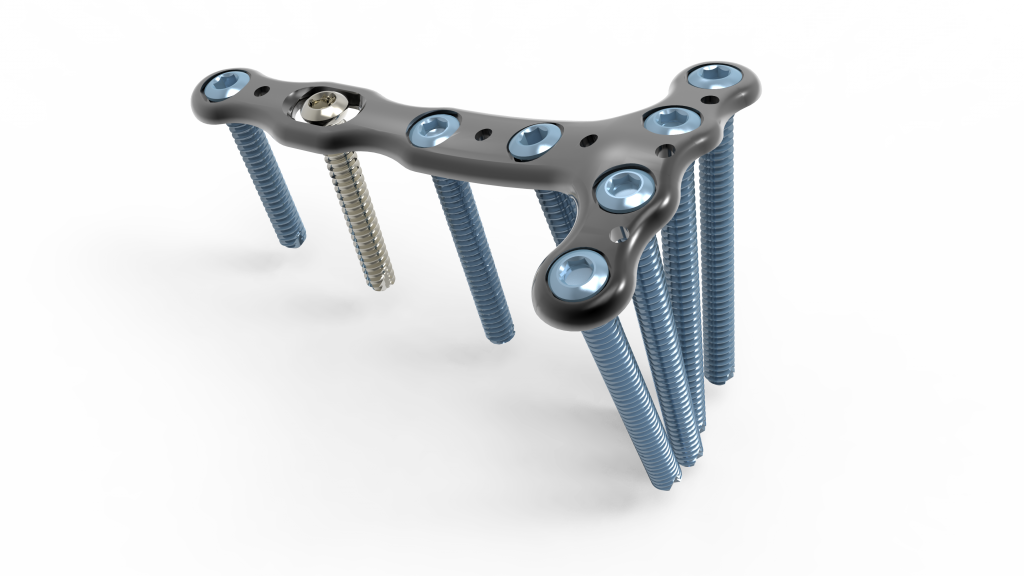
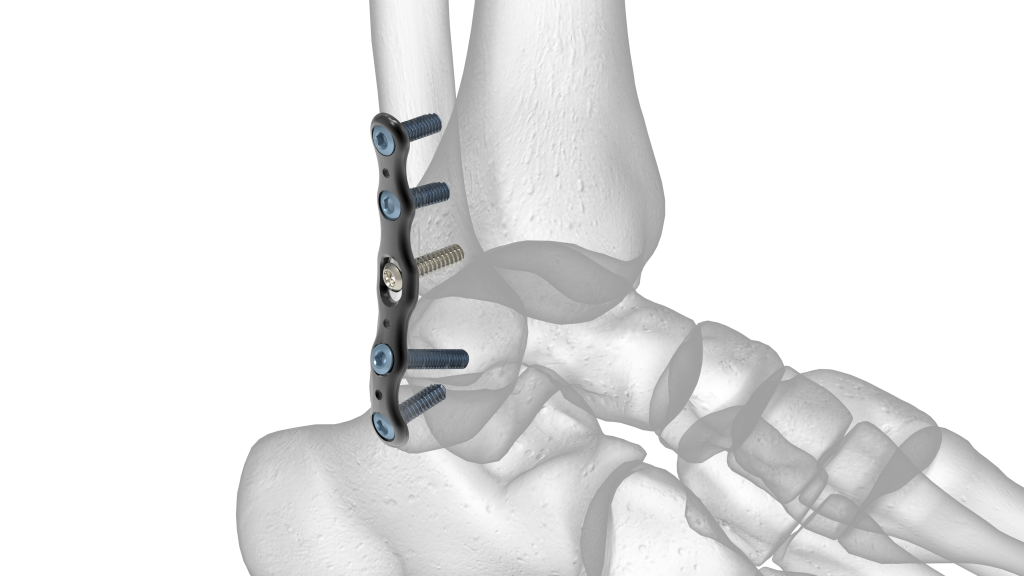
- Low-profile Locking (LPL) Anterior Tibia Plates: Internal fixation for non-comminuted distal tibial fractures, osteotomies, and nonunions, from an anterior approach
- Low-profile Locking (LPL) Medial Tibia Plates: Internal fixation for non-comminuted distal tibial fractures, osteotomies, and nonunions, from a medial approach
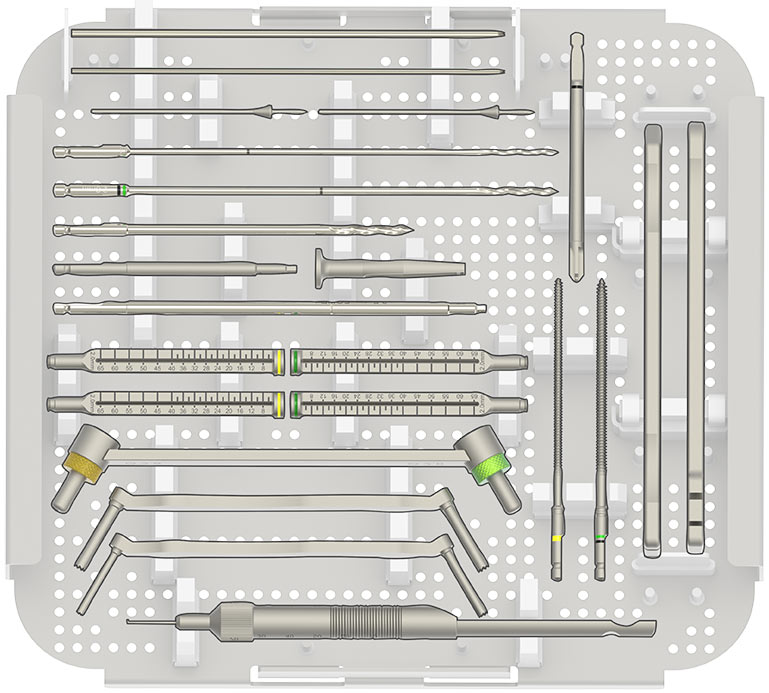
- Locking and Nonlocking Screws: provide surgeons with the choice of 3.0 or 3.5 mm hexalobe screws and 4.0 mm cancellous screws. The associated drills, locking drill guides, and drivers for use with these hexalobe screws are listed in the surgical techniques.
- Note: The system can also be used with Acumed 2.7 mm hex or 3.5 mm hex screws.
Fibula Plates
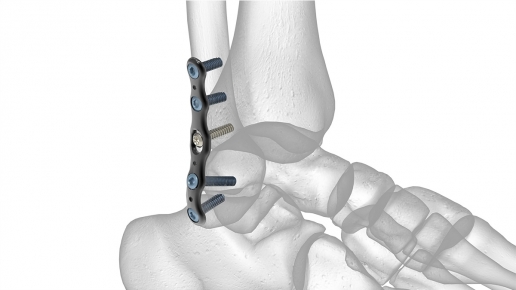
The Acumed Low-profile Fibula Plate and Lateral Fibula Plate are two options for the internal fixation of distal fibula fractures, osteotomies, and nonunions. LPL plates are not intended for non-comminuted fractures.
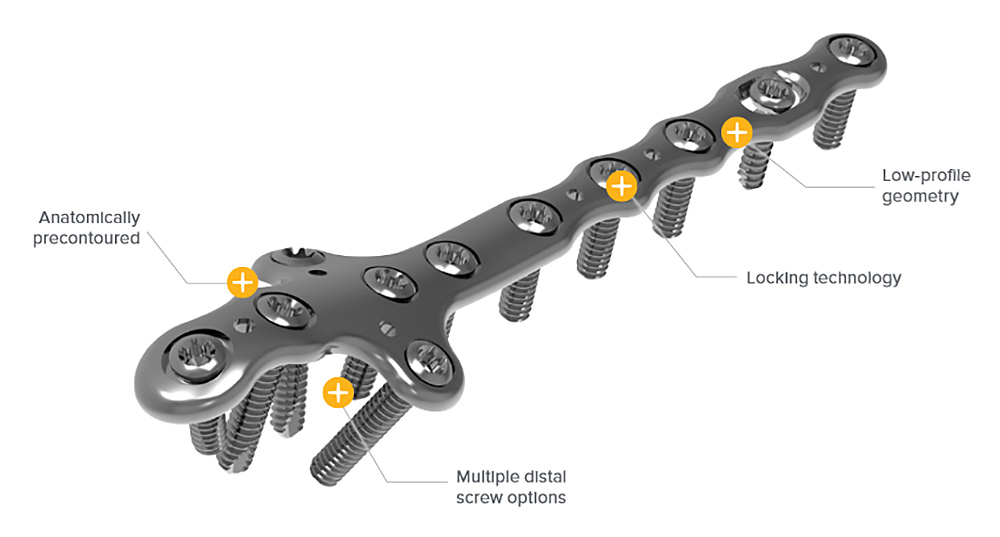
Designed for a minimally invasive approach to help reduce soft-tissue irritation, the plates are precontoured to replicate the patient’s anatomy and aid with anatomic reduction.
Tibia Plates
The Anterior Tibia Plate and Medial Tibia Plate are two options for the internal fixation of non-comminuted distal tibia fractures, osteotomies, and nonunions.
Designed for a minimally invasive approach to help reduce soft-tissue irritation, the plates are precontoured to replicate the patient’s anatomy and aid with anatomic restoration.
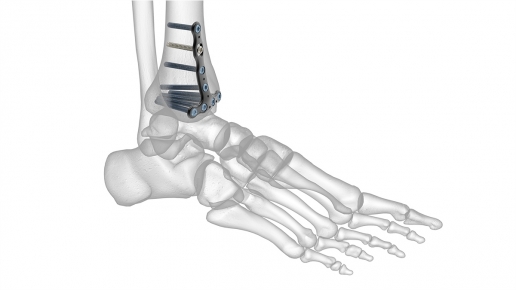
Image Gallery