Acutrak 3® Headless Compression Screw System
Documents
Acutrak 3 Headless Compression Screw System Procedures
The Acutrak 3 Headless Compression Screw System can be used in the following procedures:
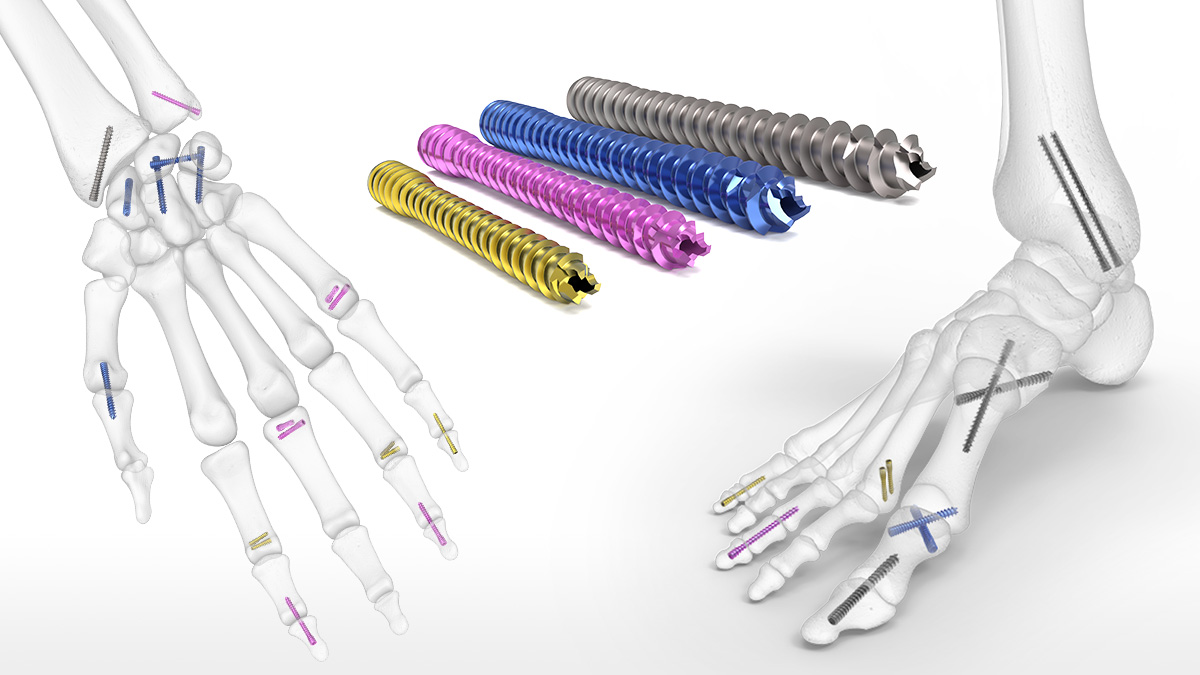
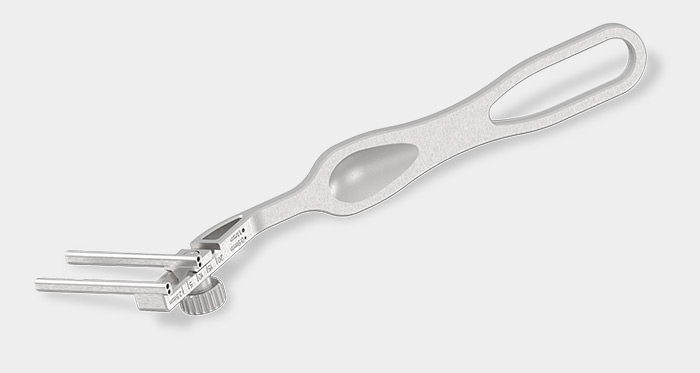
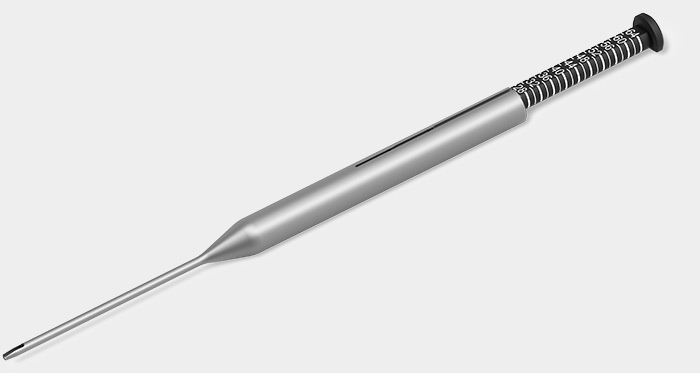
Distal Humerus Fracture (Distal Humerus), Radial Head Fracture (Proximal Radius), Coronoid Fracture (Proximal Ulna), Hallux valgus (Forefoot), Hallux varus (Forefoot), Hammer toe/Claw toe (PIP/DIP) (Forefoot), 1st Metatarso-phalangeal (MTP) Arthrodesis (Forefoot), Closing wedge osteotomy (Forefoot), IPJ (Forefoot), Medial closing wedge osteotomy (Forefoot), Proximal 5th Metatarsal Fracture (Jones Fracture) (Forefoot), Bunionette (Forefoot), Talus Failure (Hindfoot), Triple Arthrodesis (Hindfoot), Calcaneo-cuboid Arthrodesis (Hindfoot), Flatfoot (Hindfoot), Calcaneal Fracture (Hindfoot), Talonavicular Joint Arthrodesis (Hindfoot), Navicular Fracture (Midfoot), Navicular Cuneiform Arthrodesis (Midfoot), Medial Column Arthrodesis (Midfoot), First Tarsometatarsal Joint Arthrodesis (Lapidus) (Midfoot), Lisfranc Dislocation / Midfoot Fracture (Midfoot), Jones Fracture (Midfoot), Equinus Contracture (Other), Arthrodesis/Deformity Correction (Other), Four-Corner Fusion (Carpal / Metacarpal), Fracture management (Carpal/Metacarpal) (Carpal / Metacarpal), DIP/PIP Fusion (Phalanges / Thumb), Fracture management (Phalanges/Thumb) (Phalanges / Thumb), Proximal Humerus Fracture (Proximal Humerus)Instrumentation
Key Publications
The Acutrak Advantage
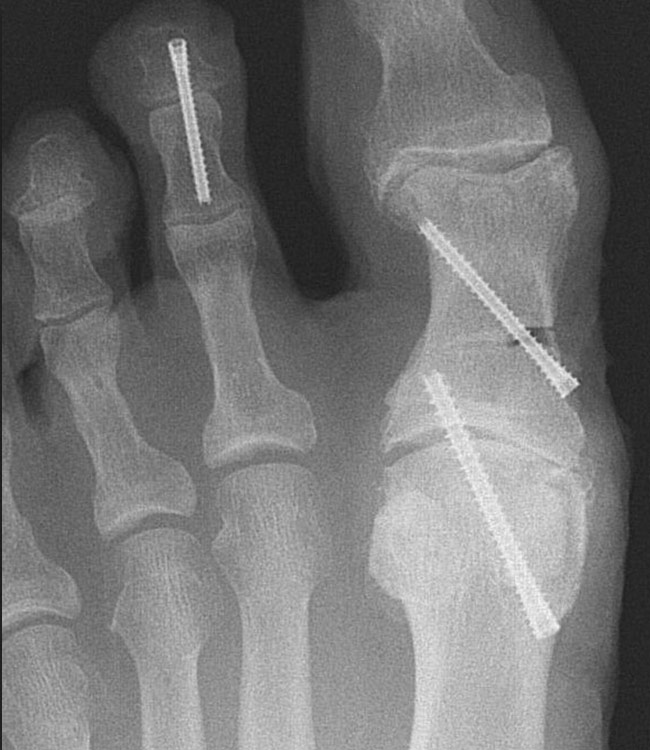
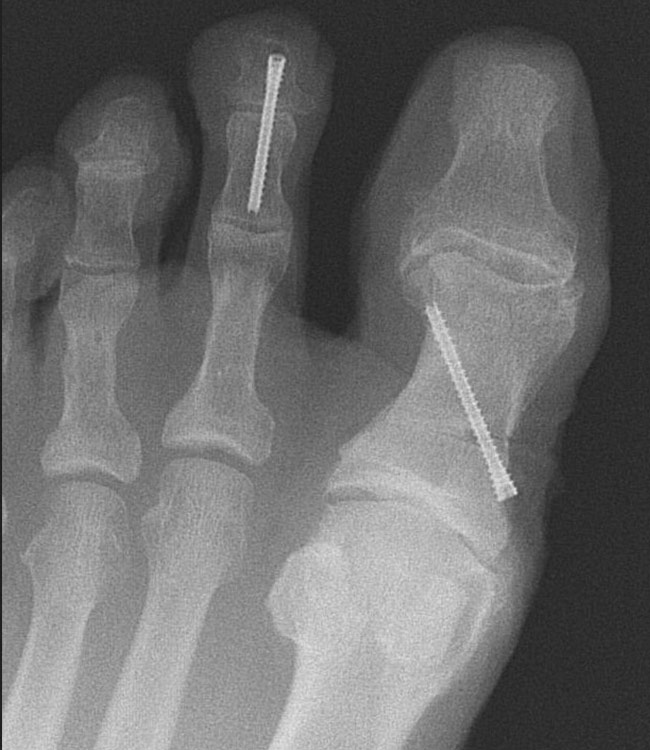
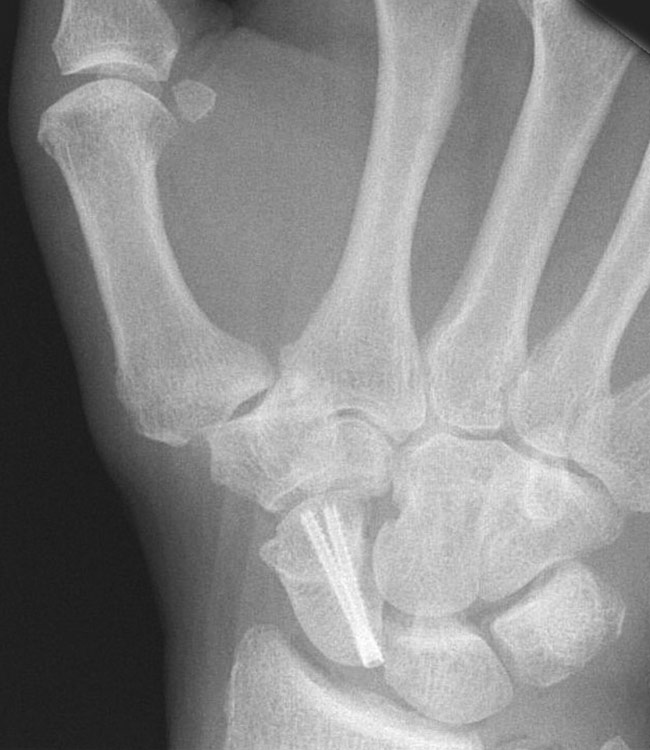
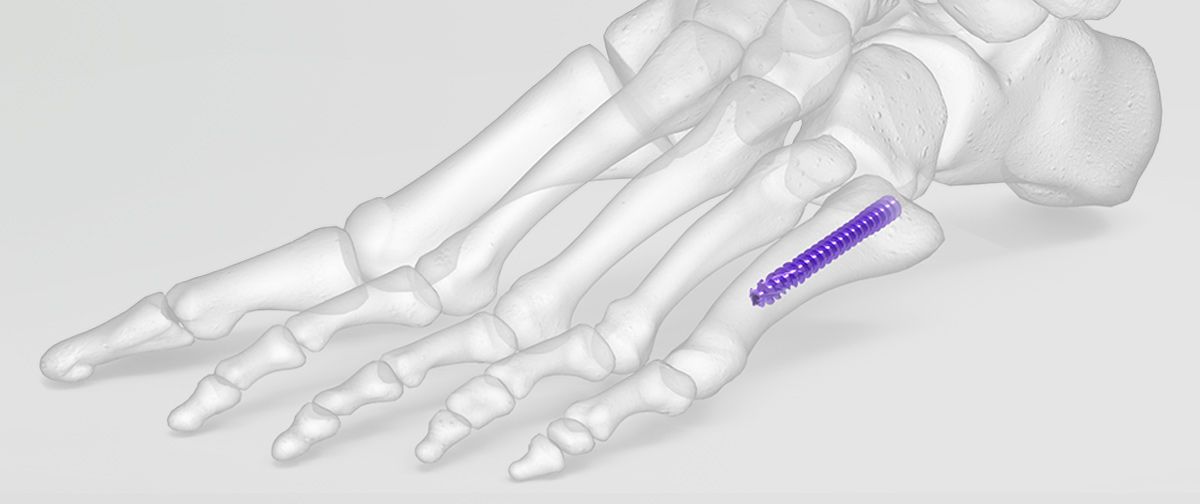
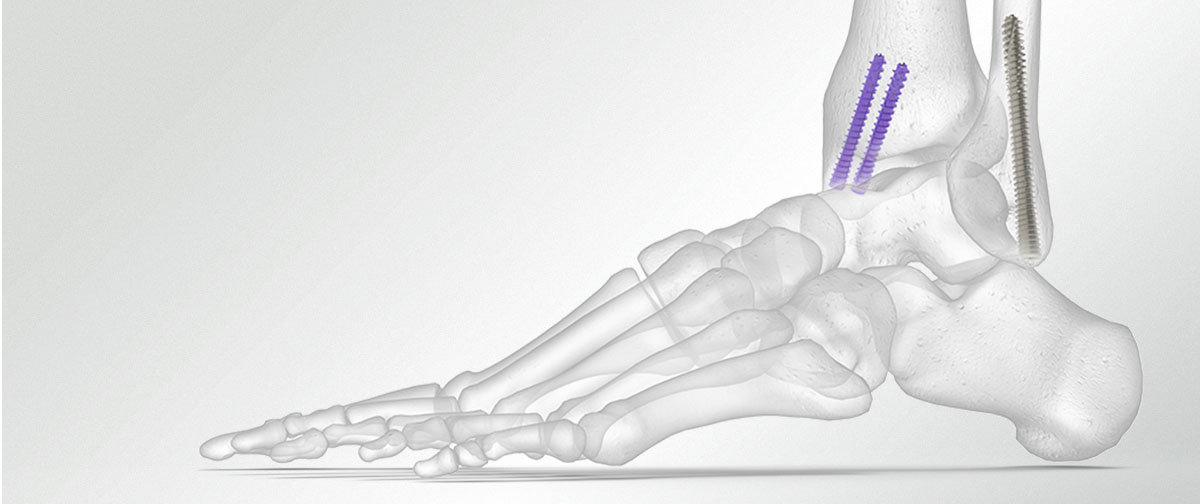
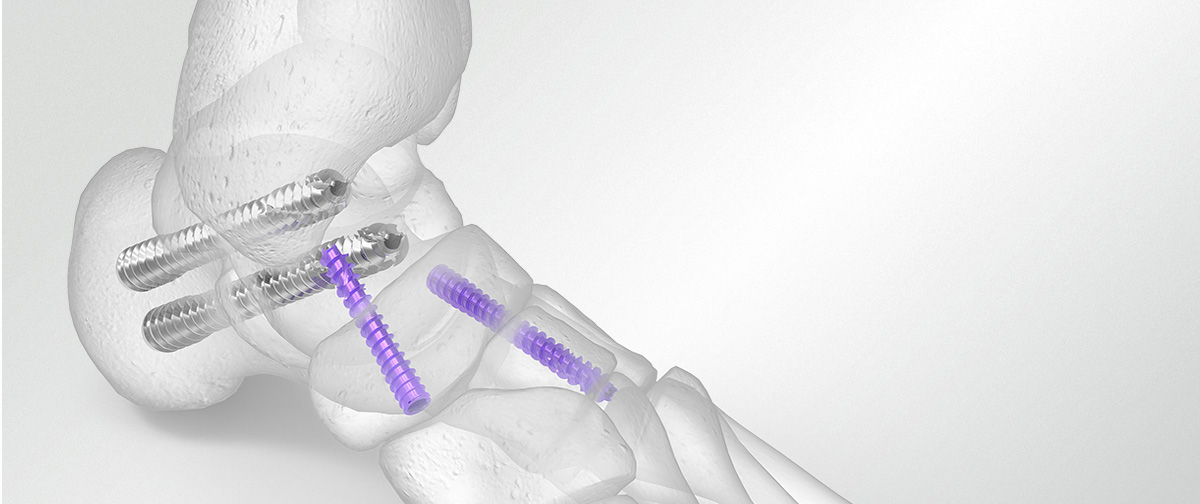
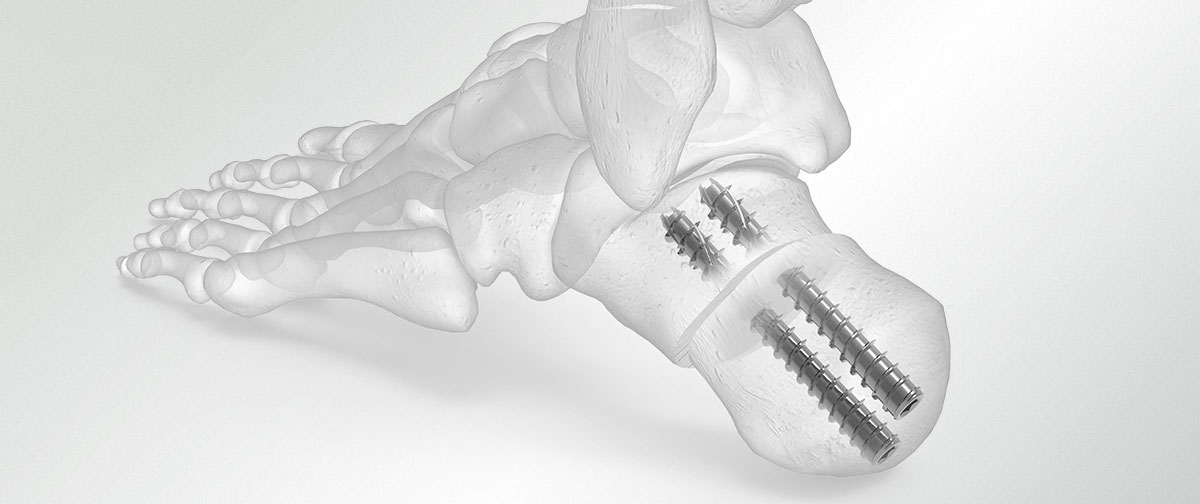
With its introduction in 1994, Acutrak Headless Compression Screw technology revolutionized the way surgeons treat fractures, fusions, and osteotomies. Acutrak 2 introduced the next generation in fully threaded headless fixation, with larger guide wires, larger hex drivers, and a tapered end. The Acutrak 2 System is routinely used in a number of lower-extremity fracture fixations, including those featured below.
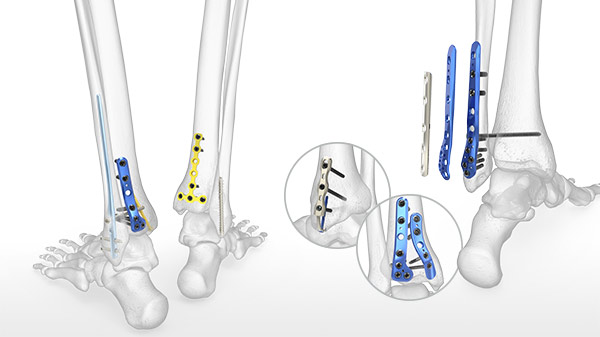
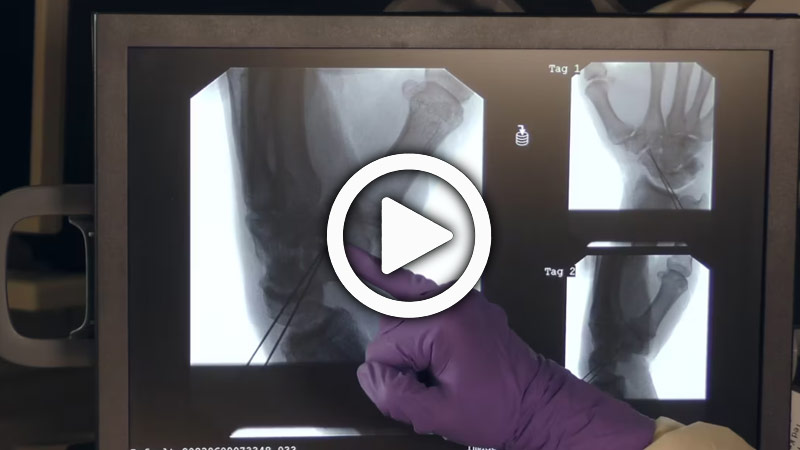
Solutions for Simple to Complex Trimalleolar Injuries
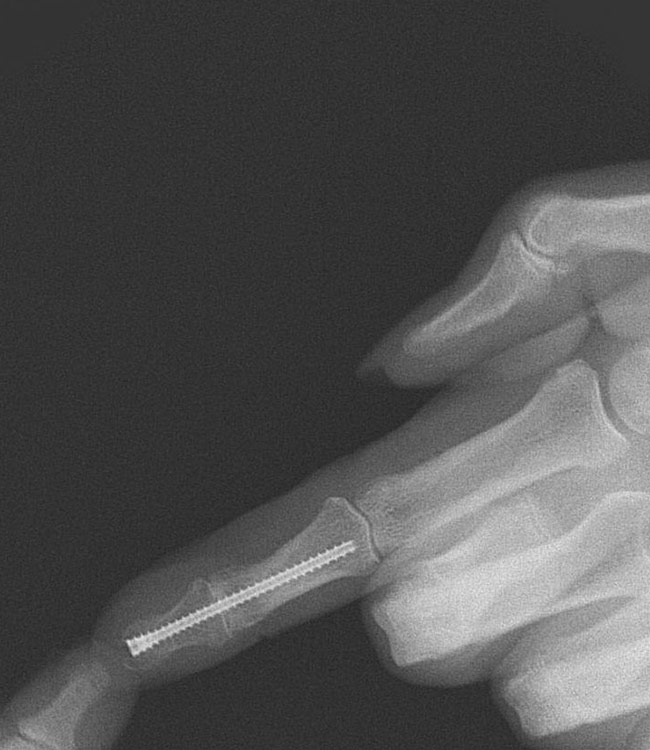
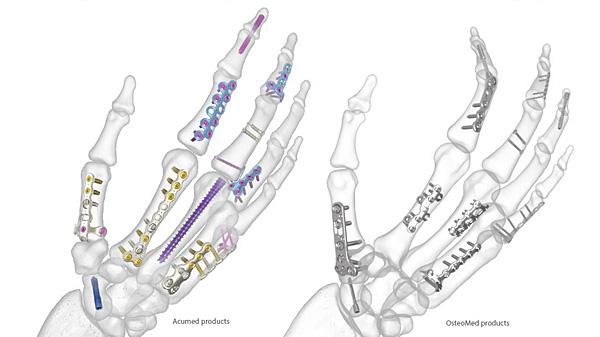
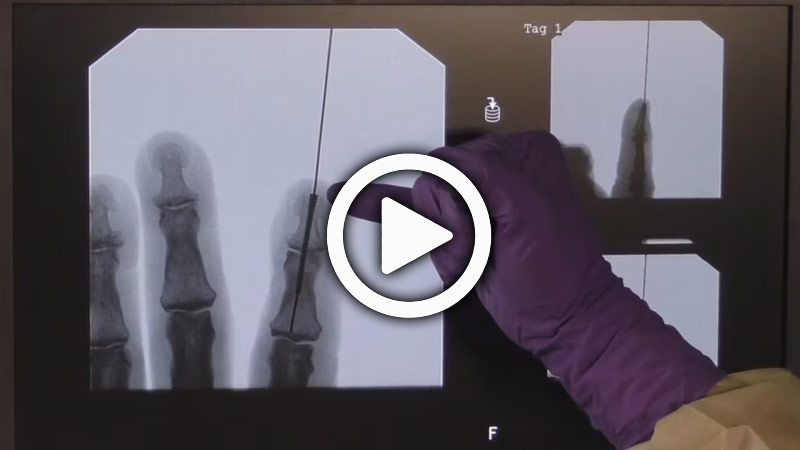
Hand Fracture Solutions That Have You Covered
Key Features
Continuously Variable Thread Pitch
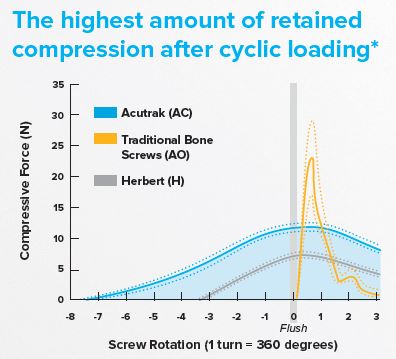
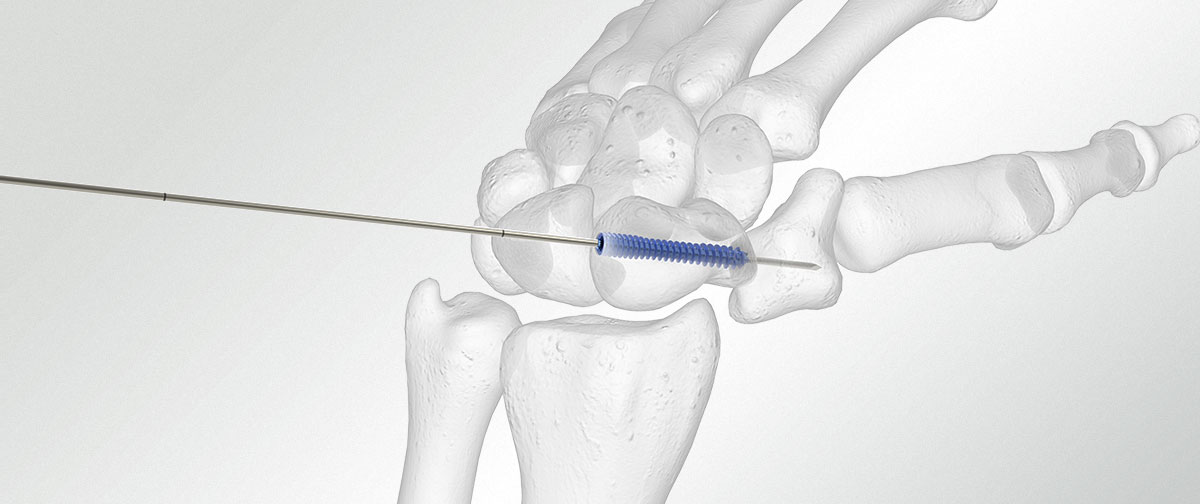
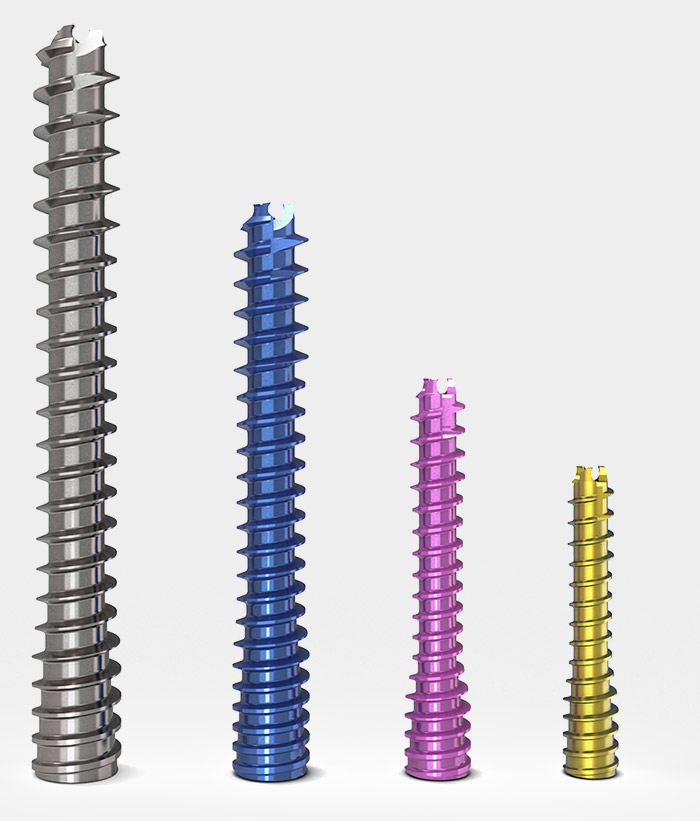
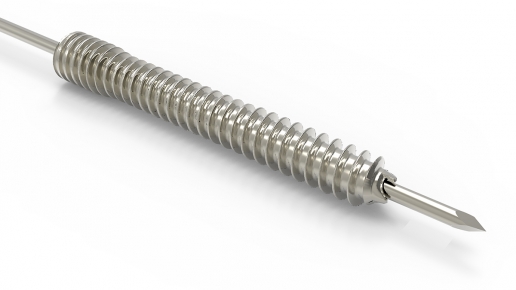
The Acutrak fully threaded continuously variable thread pitch screw design provides greater compression and a larger window of compression as compared to partially threaded Herbert style screw designs.1 In addition, this feature allows a fracture or osteotomy site to lie almost anywhere along the length of the screw.
A Family of Options
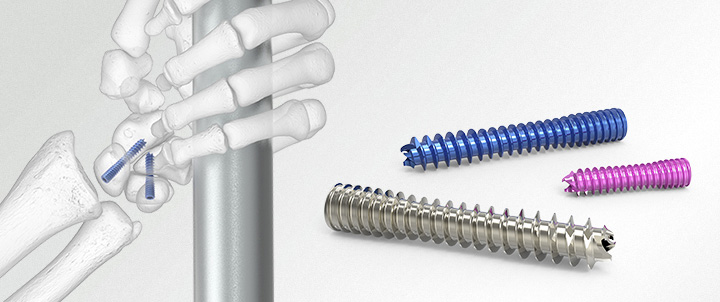
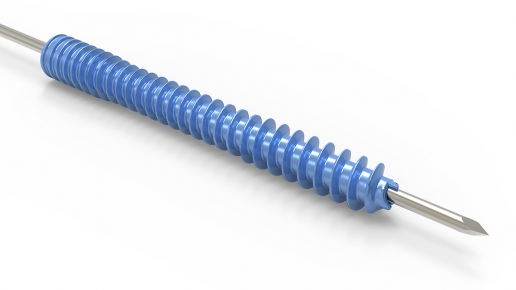
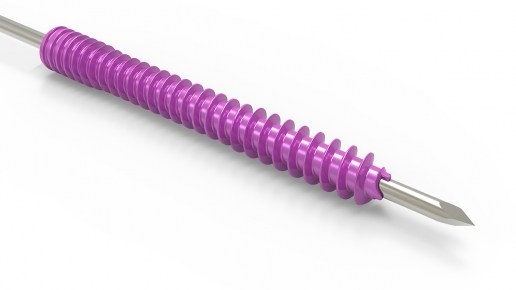
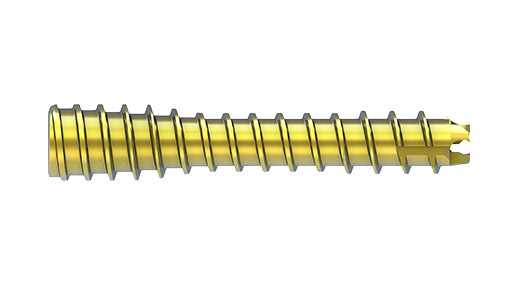
Available in six different families for a total of 68 different screws, addressing applications throughout the upper and lower extremities.
Fully Threaded
Biomechanical studies have shown that fully threaded screws better handle the cyclic loading that may occur during healing. The Acutrak Headless Compression Screw technology has shown greater push-out strength, greater resistance to cyclic loading, and greater resistance to torsional loading when compared to differential pitch screw technology.1
A Heritage of Healing
Over 1.7 million Acutrak family screws implanted since 1994, supported by more than 100 clinical and biomechanical studies.
1. Wheeler DL, McLoughlin SW. Biomechanical assessment of compression screws. Clin Orthop Relat Res. 1998;350:237-245.
Videos
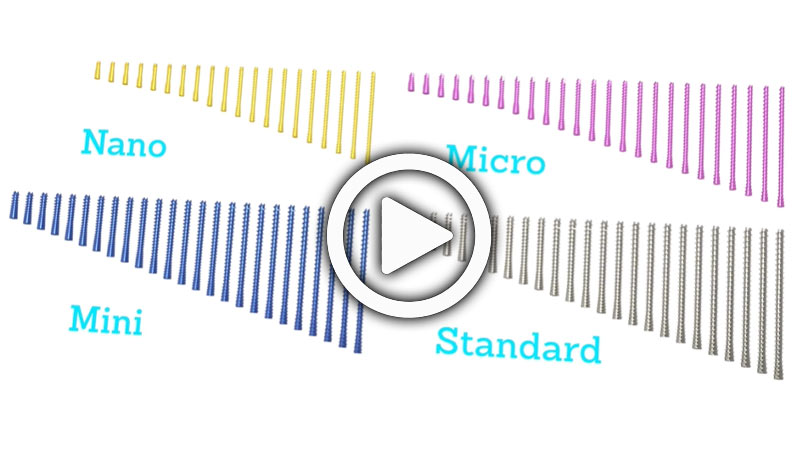
The Acutrak 3 Family
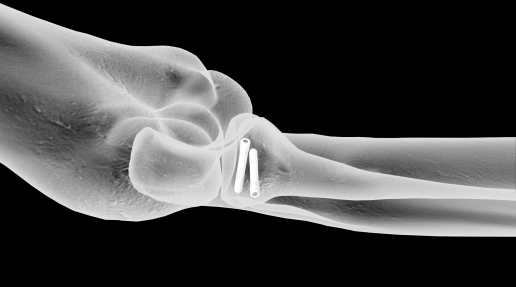
Case Study: Acute Radial Head Fracture
Acutrak 2 Supplemental Use Guides
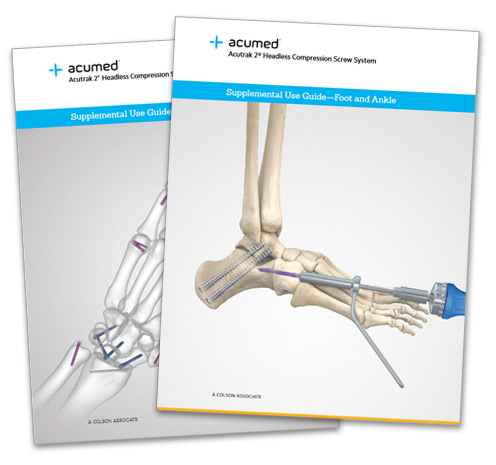
Foot & Ankle: AcuTwist and Acutrak 2 Micro, Mini, Standard, 4.7, and 5.5 are intended for use as fixation devices for small bones, bone fragments, and osteotomies. They are not intended for interference or soft tissue fixation. Acutrak 2–7.5 may be used for fusions, fractures, or osteotomies of the clavicle, humerus, radius, ulna, ilium, femur, patella, fibula, tibia, talus, malleolus, and calcaneus.
Hand & Wrist: Acutrak 2 Micro, Mini, and Standard are intended for use as fixation devices for small bones, bone fragments, and osteotomies. They are not intended for interference or soft tissue fixation.
Cyclic Loading
The highest amount of retained compression after cyclic loading1.
The highest resistance to torsional loading compared to AO and Herbert screws in cadaveric and synthetic bone material.1
1. Wheeler DL, McLoughlin SW. Biomechanical assessment of compression screws. Clin Orthop Relat Res. 1998;350:237-245.